
Outstation Cab Route
Ghaziabad to Badrinath Taxi Service
Badrinath is the one Char Dham temple the cab from Ghaziabad reaches all the way to the gate — no trek is needed, though the mountain drive beyond Rishikesh is still a long one.
Route Overview
Ghaziabad to Badrinath by Road
From Ghaziabad the road runs via the Delhi-Dehradun Expressway to Rishikesh, then follows the Alaknanda valley through Devprayag, Rudraprayag, Karnaprayag and Joshimath before reaching Badrinath. Unlike Kedarnath, the road goes right up to the temple.
The distance is manageable on the expressway but slows down considerably once the mountain stretch begins past Rishikesh, so most groups treat this as a two-day drive each way. An overnight halt around Rudraprayag, Karnaprayag or Joshimath breaks the journey up sensibly.
Many travellers combine Badrinath with a stop at Mana village, the last inhabited village near the India-China border, or extend the trip to include Kedarnath as part of a wider Char Dham circuit.
Travel Details
Distance, Time and Route Highlights
From Ghaziabad the cab joins the Delhi-Dehradun Expressway with a short approach, reaching Rishikesh before the mountain stretch begins. Beyond Rishikesh the road follows the Alaknanda valley through Devprayag, Rudraprayag, Karnaprayag and Joshimath, climbing steadily with frequent bends.
Badrinath Dhammountain road planningpilgrimage taxi support
Route Stages
Ghaziabad to Badrinath Route Stages
- Ghaziabad → Rishikesh — Via the Delhi-Dehradun Expressway and the Haridwar spur
- Rishikesh → Rudraprayag — Follows the Alaknanda valley; mountain driving begins here
- Rudraprayag → Karnaprayag
- Karnaprayag → Joshimath — Common overnight halt before the final approach to Badrinath
- Joshimath → Badrinath — Final leg; the road goes right up to the temple
Stops Along the Way
Places to Stop Between Ghaziabad and Badrinath
- Haridwar (rest stop) — Common first halt after the expressway
- Rudraprayag (rest stop) — Where the Alaknanda and Mandakini rivers meet
- Joshimath (rest stop) — Usual overnight halt before the final stretch to Badrinath
Places to Visit
Top Attractions in Badrinath
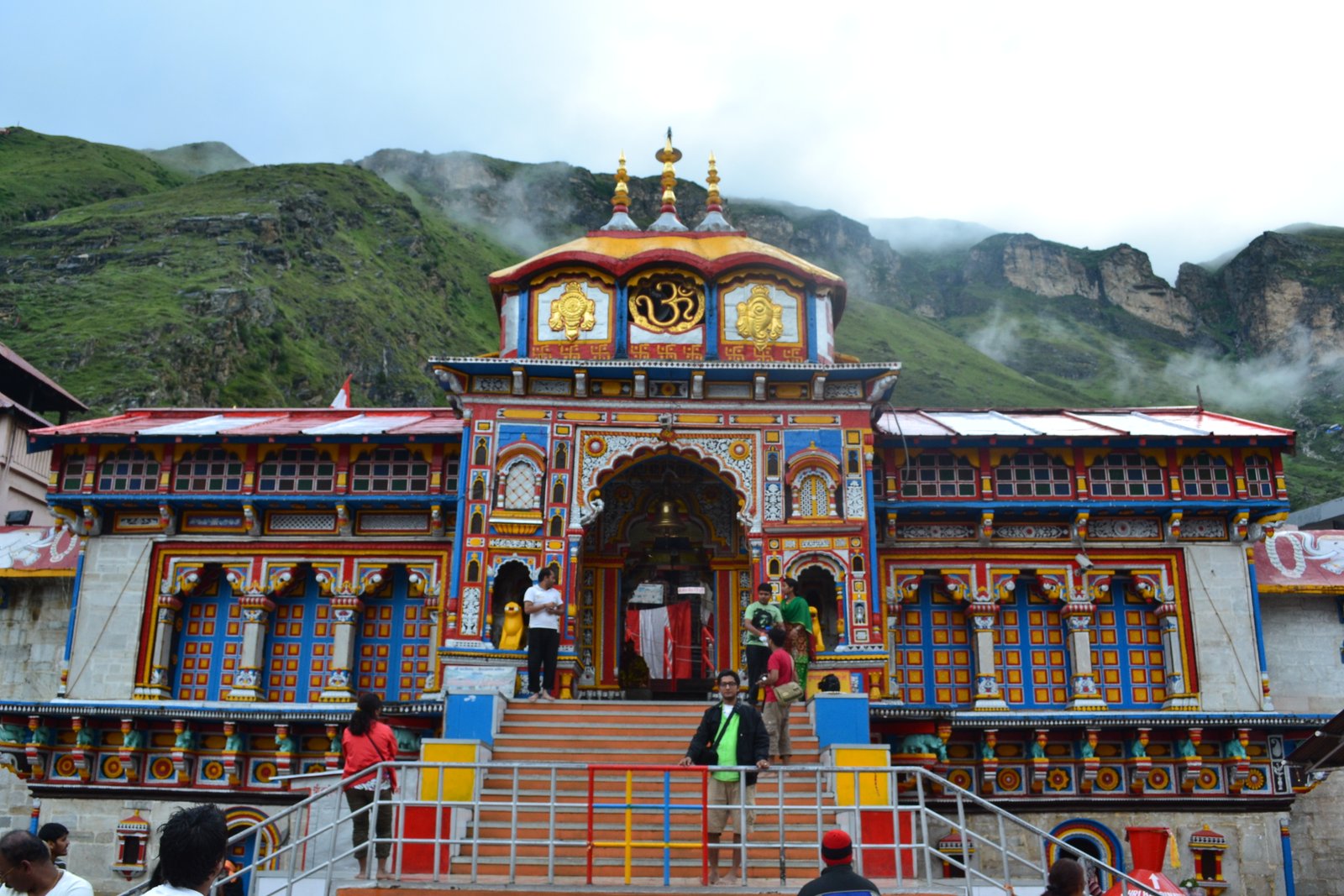
- Badrinath Temple — Dedicated to Vishnu and counted among the four Char Dham sites, this temple stands out for being reachable entirely by road, unlike Kedarnath which requires a trek. Its vividly coloured facade, set against Neelkanth peak, makes it one of the more visually memorable of the four dhams.
- Mana Village — A short drive from Badrinath, this village is often referred to as the last inhabited settlement before the India-China border and carries a noticeably quieter, more remote character than the temple town itself. Local shops offering herbal products and woollens add to the appeal of the detour.
- Tapt Kund — Situated right beside the Badrinath temple, these natural hot springs are traditionally visited before darshan, with many pilgrims bathing here as part of the ritual before entering the temple. The contrast between the warm water and the cold mountain air makes the stop stand out.
- Vasudhara Falls — This waterfall is reached by a trek starting at Mana village, appealing to pilgrims with extra time and stamina beyond the primary temple visit. The high-altitude trail leading there, close to the border region, is as much a part of the draw as the falls themselves.
Good to Know
Best Time to Travel and Road Notes
Best season: The temple is open roughly from Akshaya Tritiya in April or May to Bhai Dooj in October or November. Confirm the exact opening and closing dates for your travel year, since they change with the Hindu calendar.
Road note: The mountain stretch beyond Rishikesh can face landslide-related delays during heavy monsoon rain, so many families avoid July and August for this route. Breaking the journey with an overnight halt makes for a considerably easier trip than attempting it in one push.
Cab Choices
Cab Options for Badrinath
An Innova or similar SUV is the practical choice for this route given the sustained mountain driving beyond Rishikesh. A sedan can make the trip in good weather with a smaller group, but the higher clearance of an SUV is reassuring on the narrower stretches near Joshimath.
- An Innova or similar SUV is the practical choice for the mountain roads involved, given the long climbing stretches.
- A Tempo Traveller works for larger family groups, though it moves more slowly on the narrower mountain sections.
- The same cab and driver are usually retained for the full multi-day trip, which simplifies coordination considerably.
- Drivers on this route are experienced with the yatra season's traffic and know when to start early to avoid the worst of it.
FAQs
Ghaziabad to Badrinath Taxi FAQs
Does the cab go all the way to Badrinath temple?
Yes, unlike Kedarnath, the road runs right up to Badrinath and no trek is needed. This makes it one of the more straightforward dhams to include, though the mountain drive beyond Rishikesh is still long and needs proper time.
How many days should we plan for Ghaziabad to Badrinath?
Most groups treat it as a two-day drive each way, with an overnight halt around Rudraprayag, Karnaprayag or Joshimath. Attempting the full distance in one stretch means very late arrival on mountain roads, which is best avoided.
Can we visit Mana village from Badrinath?
Yes, Mana is a short drive from Badrinath and is commonly visited on the same trip. It's known as the last inhabited village towards the India-China border and adds only a small amount of extra time.
When is Badrinath temple open?
The season generally runs from around Akshaya Tritiya in April or May to Bhai Dooj in October or November, with exact dates set each year according to the Hindu calendar. Confirm the current dates before finalising your travel plans.
Can Badrinath be combined with Kedarnath in one trip?
Yes, many travellers do both as part of a wider Char Dham circuit, though it adds several days to the trip since Kedarnath needs a separate trek or helicopter leg. Deciding the full itinerary before booking helps with planning.
Is the road to Badrinath difficult?
It's a well-maintained mountain road but climbs steadily with frequent bends past Rudraprayag and Joshimath. Landslide-related delays are possible in the monsoon months, so the driving schedule should allow extra time.
Which vehicle is recommended for this route?
An Innova or similar SUV is the practical choice given the sustained mountain driving. A sedan can manage in good weather with a smaller group, but the higher seating of an SUV is more comfortable on the narrower stretches.