
Outstation Cab Route
Gurgaon to Kedarnath Taxi Service
Kedarnath is the one Char Dham temple the cab cannot reach directly — from Gurgaon the road journey ends at Sonprayag or Gaurikund, and the final stretch to the temple is on foot or by helicopter.
Route Overview
Gurgaon to Kedarnath by Road
The road from Gurgaon runs via the new Delhi-Dehradun Expressway to Rishikesh, then follows the Alaknanda valley through Rudraprayag and Guptkashi to Sonprayag, which is as far as any vehicle goes. From there, Gaurikund is a short local ride away, and the trek to the temple itself climbs steadily through mountain terrain.
Most pilgrims split the trip into three parts: the drive to Sonprayag or Gaurikund, the trek or helicopter to the temple, and the return. Trying to do the trek on the same day as a long drive is exhausting and not recommended — an overnight halt near Sonprayag before starting the climb works far better.
A helicopter service also operates from a few pads near Phata, Guptkashi and Sersi during the season, cutting the trek down to a short walk at either end, though seats need to be booked well ahead and are weather-dependent. This should be arranged separately from the cab booking.
Travel Details
Distance, Time and Route Highlights
From Gurgaon the cab crosses Delhi to join the Delhi-Dehradun Expressway, then follows the Alaknanda valley beyond Rishikesh through Rudraprayag and Guptkashi towards Sonprayag. This mountain stretch is slow going regardless of the vehicle, with switchbacks and occasional landslide-clearance delays, so the driving day should be planned with generous time rather than a fixed arrival hour.
Kedarnath Yatramountain route supportpilgrimage planning
Route Stages
Gurgaon to Kedarnath Route Stages
- Gurgaon → Akshardham (Delhi) — Crossing Delhi to reach the expressway entry point
- Akshardham (Delhi) → Rishikesh — Via the Delhi-Dehradun Expressway and the Haridwar spur
- Rishikesh → Rudraprayag — Follows the Alaknanda valley; mountain driving begins here
- Rudraprayag → Guptkashi
- Guptkashi → Sonprayag — As far as the cab goes; the temple trek starts from here
Stops Along the Way
Places to Stop Between Gurgaon and Kedarnath
- Haridwar (rest stop) — Common first halt after the expressway
- Rishikesh (staging point) — Start of the mountain stretch towards Kedarnath
- Devprayag (viewpoint) — Confluence of the Alaknanda and Bhagirathi rivers, a short stop on the way
- Rudraprayag (rest stop) — Common halt point where the Alaknanda and Mandakini rivers meet
- Guptkashi (rest stop) — Usual overnight halt before Sonprayag and the trek
Places to Visit
Top Attractions in Kedarnath
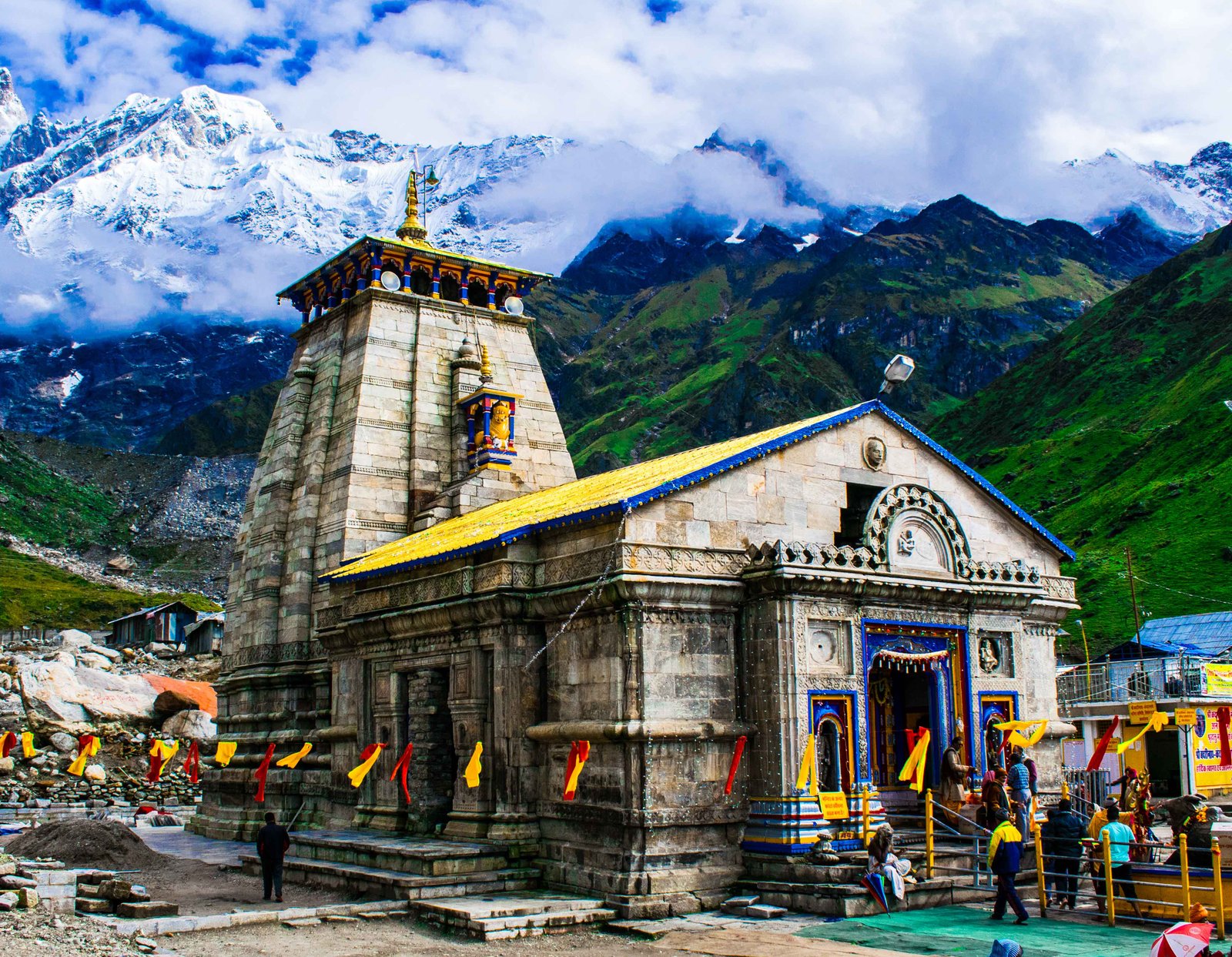
- Kedarnath Temple — This ancient stone temple, one of the twelve Jyotirlingas, sits at the head of the Mandakini valley and is reached either by a roughly 16 to 18 km trek from Gaurikund or by helicopter from nearby pads for those who can't manage the walk. Its stone walls have withstood centuries of mountain weather, including the 2013 floods that reshaped much of the surrounding terrain.
- Triyuginarayan Temple — A short detour near Sonprayag leads to this temple, believed by many to mark the site of Shiva and Parvati's wedding. A flame said to have burned continuously since that event is kept alight inside, and the temple is manageable to visit without adding much distance to the overall trip.
- Vasuki Tal — Beyond Kedarnath itself lies this high-altitude lake, reached via an additional trek for pilgrims with the extra time and stamina. Far fewer people make it out here than to the main temple, which keeps the surroundings noticeably quieter, though proper acclimatisation matters before attempting the extra distance.
- Guptkashi — Many pilgrims break their journey overnight in this town before continuing toward Kedarnath, and its own Vishwanath temple draws visitors independent of the main pilgrimage route. Halting here rather than pushing straight through makes the pace to Gaurikund and the trek beyond noticeably more manageable.
Good to Know
Best Time to Travel and Road Notes
Best season: The temple is open roughly from Akshaya Tritiya in April or May to Bhai Dooj in October or November. Confirm the current year's opening and closing dates before you travel, since they follow the Hindu calendar rather than a fixed date.
Road note: The trek itself is physically demanding, particularly for those not used to walking at altitude, and weather in the mountains can change quickly even in season. A helicopter booking is worth considering for elderly travellers or anyone short on time, but seats should be arranged well in advance.
Cab Choices
Cab Options for Kedarnath
An Innova or similar SUV is the sensible choice for the mountain stretch beyond Rishikesh, since the road narrows and climbs steadily. A sedan can make the trip in good weather with a small group, but the higher ground clearance of an SUV is more reassuring on the Rudraprayag-Guptkashi section.
- An Innova or similar SUV is the practical choice for the mountain roads involved, given the long climbing stretches.
- A Tempo Traveller works for larger family groups, though it moves more slowly on the narrower mountain sections.
- The same cab and driver are usually retained for the full multi-day trip, which simplifies coordination considerably.
- Drivers on this route are experienced with the yatra season's traffic and know when to start early to avoid the worst of it.
FAQs
Gurgaon to Kedarnath Taxi FAQs
How long is the trek to Kedarnath temple?
The trek from Gaurikund covers around 16 to 18 km one way, gaining significant altitude along the way, and typically takes six to eight hours depending on fitness and pace. Most pilgrims plan an overnight halt at Kedarnath before the return trek the next day.
Can we skip the trek and take a helicopter?
Yes, helicopter services operate from pads near Phata, Guptkashi and Sersi during the season, cutting the journey to the temple down to a short walk. Seats fill up quickly and are weather-dependent, so it's worth booking well ahead rather than on arrival.
How far does the cab actually go?
The road ends at Sonprayag, with Gaurikund a short local ride further. From there, the 16 to 18 km stretch to the temple is on foot or by helicopter — the cab and driver typically wait at Sonprayag or a nearby town for the return leg.
Is an overnight stay near Sonprayag necessary?
It's strongly recommended rather than compulsory. Combining a long mountain drive with a 16 to 18 km trek on the same day is exhausting, and starting the climb fresh the next morning is both safer and more comfortable, especially for first-time visitors.
When is Kedarnath temple open?
The temple opens around Akshaya Tritiya in April or May and closes around Bhai Dooj in October or November, following the Hindu calendar rather than fixed dates. Always confirm the specific dates for your travel year before finalising the trip.
Is the mountain road to Sonprayag difficult?
It's a well-used pilgrimage road but climbs steadily with plenty of bends past Rudraprayag and Guptkashi. Landslide-related delays are possible, especially in the monsoon, so the driving day should be planned with extra time rather than a tight schedule.
Which vehicle is recommended for this route?
An Innova or similar SUV handles the mountain stretch more comfortably than a sedan, particularly if the group includes elderly members. A sedan can manage in good weather with a small group, but the higher seating of an SUV helps on the climb.